
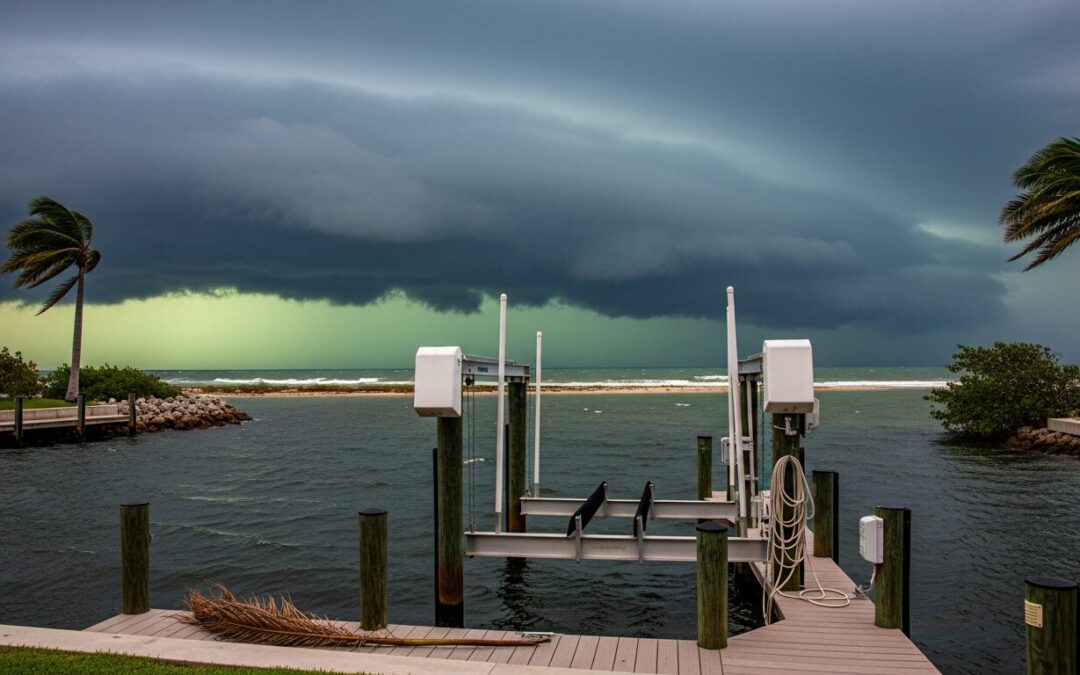
Hurricane season in Florida runs from June 1 through November 30, and for boat owners in Southwest Florida, preparation starts well before the first tropical storm forms. Follow our seasonal boat lift cover care guide for a year-round maintenance schedule. Your boat lift is one of the most valuable pieces of equipment on your dock, and leaving it unprotected can lead to thousands of dollars in damage from high winds, storm surge, and flying debris.
This guide walks you through everything you need to know about boat lift hurricane protection, from pre-season prep to post-storm inspections, so you can keep your investment safe all season long.
Why Hurricane Prep Matters for Your Boat Lift
A boat lift canopy acts like a sail in high winds. Without proper preparation, a hurricane can tear fabric from frames, bend structural components, and even rip the entire canopy system off your dock. Storm surge adds another layer of risk, submerging motors, gears, and electrical components that are expensive to replace.
Here is what is at stake:
- Canopy fabric damage from wind loads exceeding the cover’s rated capacity
- Frame deformation when airborne debris strikes aluminum components
- Saltwater corrosion in motors, gear housings, and electrical connections
- Cable damage from excessive stress or tangling during surge events
- Complete system loss if the lift structure shifts off its foundation
The good news: most of this damage is preventable with the right preparation.
Step 1: Remove Your Boat Lift Canopy Cover
This is the single most important step in boat lift hurricane protection. Your canopy cover catches wind like a parachute and creates enormous stress on the frame, pilings, and dock structure.
When to remove it:
- Ideally, book your professional removal before hurricane season begins (by late May)
- At minimum, schedule removal as soon as a named storm enters the Gulf of Mexico
- Do not wait until a hurricane warning is issued; removal crews will be overwhelmed
How it works:
- Professional crews disconnect the canopy fabric from the frame
- Bungees, straps, and attachment hardware are inspected and stored
- The cover is folded and stored in a dry, protected location
- The frame remains in place (removing an entire frame is rarely necessary)
If you have a Coastline boat lift canopy, our Hurricane Protocol program handles all of this for you. Customers who pre-book their removal avoid emergency surcharges and get priority scheduling when a storm approaches.
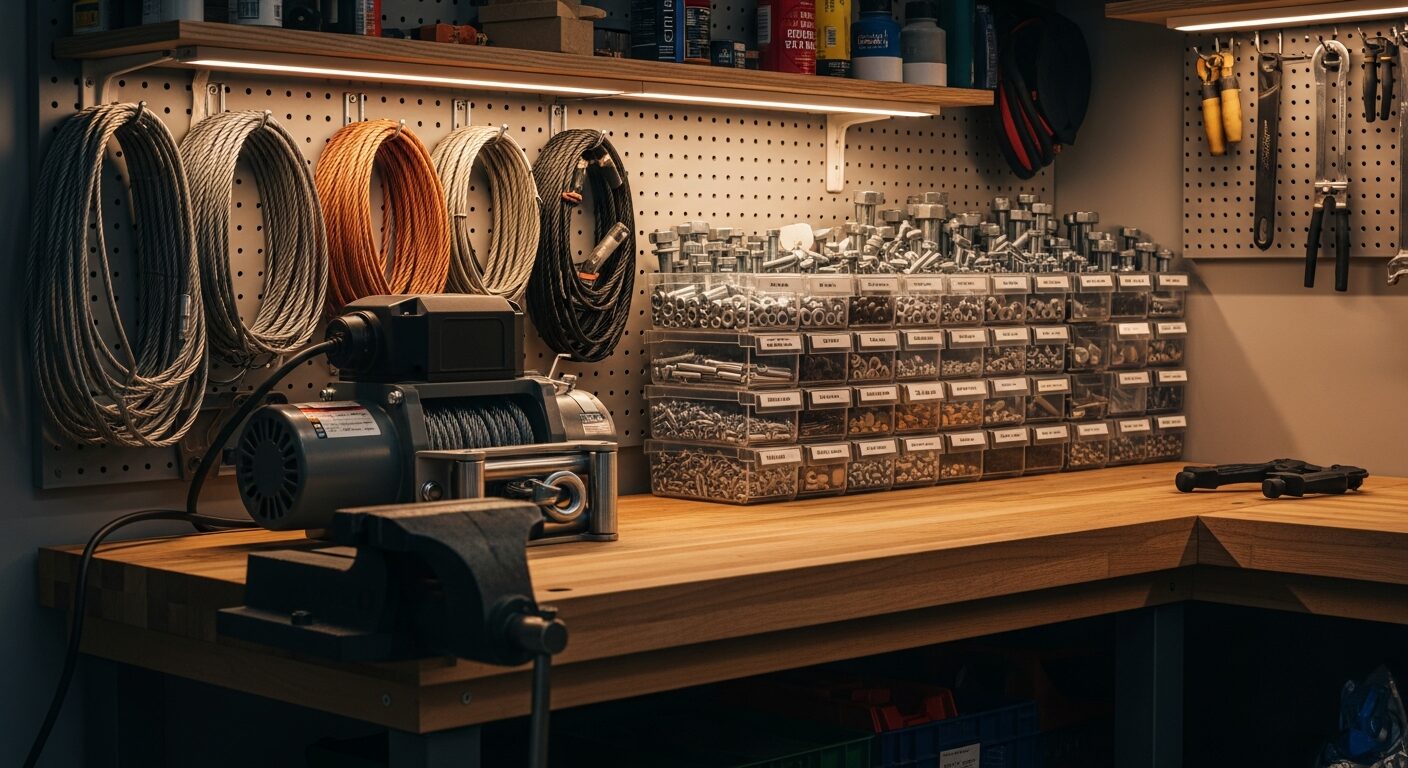
Step 2: Protect the Frame and Hardware
With the canopy removed, your frame’s wind profile drops significantly. However, there are still steps to take:
Secure loose components:
- Remove any detachable hardware, lights, or accessories from the frame
- Tighten all bolts, especially at baseplate connections and rafter joints
- Check that all four baseplates per side are firmly anchored
Protect mechanical components:
- Remove boat lift motors and store them indoors
- Remove switches and electrical controls
- If you cannot remove the gear housing, wrap it tightly with waterproof material
- Lower cables fully before removing any gear components (this prevents dangerous free-spooling)
Frame considerations:
- I-beam construction frames, like those Coastline builds, handle wind loads significantly better than standard tubular frames
- If your frame uses standard tubing, consider reinforcement bracing before hurricane season
- Inspect welds and joints for any signs of fatigue or cracking
Step 3: Decide What to Do With Your Boat
Your boat lift protection plan needs to include the boat itself. You have two options:
Option A: Remove the boat entirely (recommended)
- Haul the boat out of the water and store it on a trailer or in dry storage
- This is the safest option and eliminates the risk of storm surge damage
- Book dry storage early because capacity fills fast before storms
Option B: Secure the boat on the lift
If removal is not possible:
- Raise the boat as high as the lift allows
- Use heavy-duty dock lines to secure the boat to the lift structure and pilings
- Remove drain plugs so rainwater drains out rather than accumulating and overloading the lift
- Double up on lines and use chafe protectors where ropes contact metal
- If your lift is below expected storm surge levels, tie long ropes to anchor points so the boat can float and return to the lift area after waters recede
Step 4: Address Storm Surge Risks
Storm surge is the leading cause of catastrophic boat lift damage in Southwest Florida. Depending on your location and the storm’s strength, surge levels can range from a few feet to over 10 feet.
If your lift is above expected surge:
- Remove drain plugs from the boat
- Secure the vessel tightly to the lift
- Remove all canopy and canvas materials
- Raise the boat to maximum height
If your lift is below expected surge:
- Expect water to reach and possibly submerge the lift
- Secure the boat with long tether lines to nearby fixed structures
- Remove all electronics, motors, and removable mechanical components
- Accept that the lift frame will be submerged and plan for a post-storm inspection
Check NOAA’s storm surge predictions for your specific area. In Cape Coral, Fort Myers, and Marco Island, surge forecasts vary significantly depending on the storm’s track and intensity.
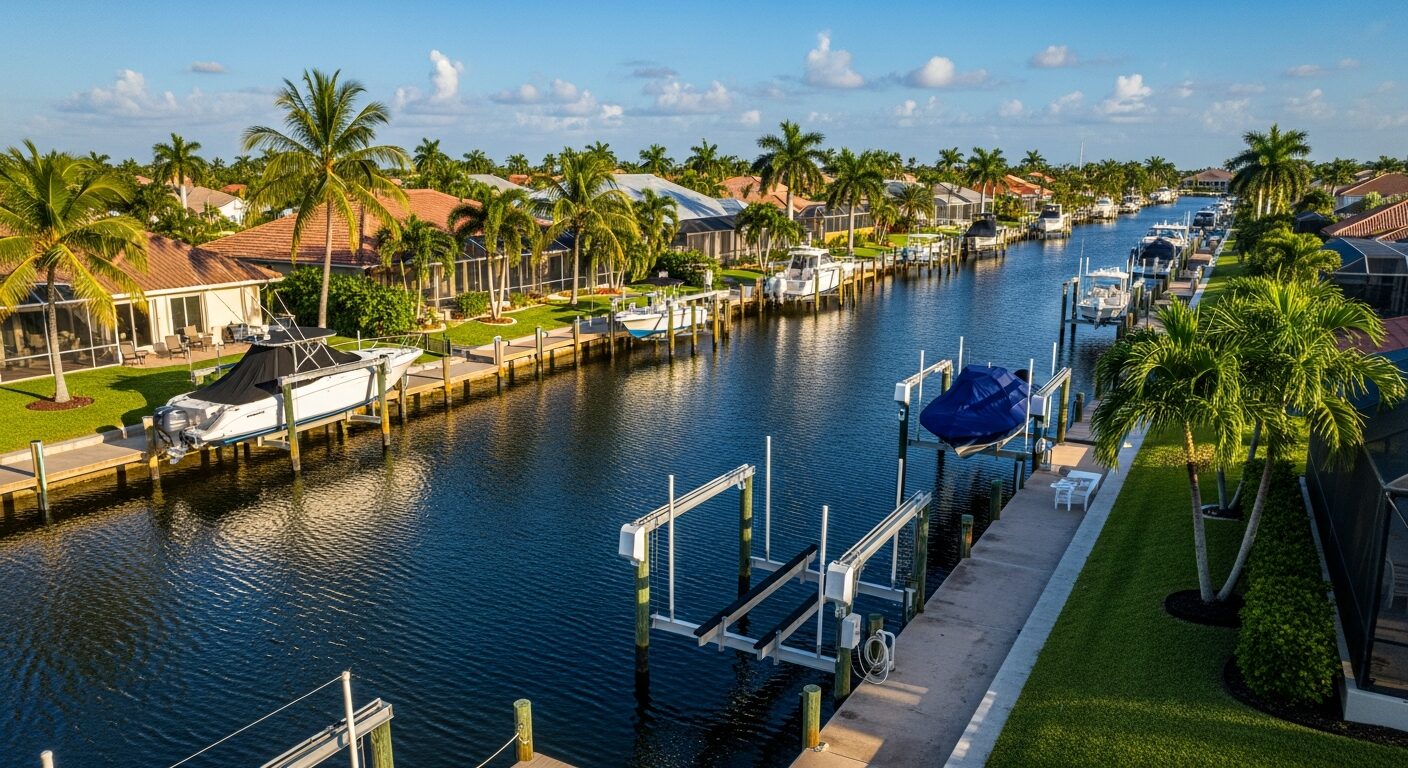
Step 5: Create a Post-Storm Inspection Checklist
After the storm passes, resist the urge to immediately use your boat lift. A systematic inspection protects you. Our boat lift cover maintenance guide covers post-storm cleaning and care from operating damaged equipment.
Structural inspection:
- Walk the dock and visually inspect the lift from multiple angles
- Look for any shift in the frame’s alignment (a crooked frame needs professional realignment before use)
- Check all pilings for cracks, lean, or movement
- Inspect welds and joints for new cracks
Hardware inspection:
- Check every bolt and fastener; replace any that are bent or corroded
- Inspect cables for fraying, kinks, or weak spots (do not operate the lift if cables look compromised)
- Clear debris from around and beneath the lift before operating
Electrical and mechanical:
- Reinstall motors only after confirming the lift structure is sound
- Test operation slowly on first use, listening for unusual sounds
- If gears were submerged in saltwater, have them professionally serviced before use
Canopy reinstallation:
- Schedule professional reinstallation once inspections confirm the frame is structurally sound
- Replace any damaged bungees, straps, or hardware before reattaching the cover
- This is also a good time to upgrade worn components
When to Call a Professional
Some hurricane prep tasks require professional expertise. Call a boat lift service company if you notice:
- Structural damage to the frame (bent rafters, shifted baseplates, cracked welds). Learn about I-beam vs. standard tube frames for superior storm resistance
- Cables that are frayed, kinked, or showing signs of wear
- Gear housings that were submerged in saltwater
- The lift frame has shifted out of alignment
- You are unsure whether your lift is safe to operate
At Coastline Boat Lift Covers, we service all boat lift brands, not just our own. If your canopy is already damaged, read our guide on when to replace your boat lift canopy. Whether you need pre-storm canopy removal, post-storm inspections, or repairs, our team covers Cape Coral, Fort Myers, Marco Island, Bonita Springs, and communities across Southwest Florida. Request a free estimate to get started.
Frequently Asked Questions
Should I remove my boat lift canopy before a hurricane?
Yes, absolutely. Removing the canopy cover is the most critical step in boat lift hurricane protection. The fabric catches wind and creates enormous stress on the frame and dock. Professional removal services, like Coastline’s Hurricane Protocol, handle this safely and efficiently.
How far in advance should I schedule hurricane prep for my boat lift?
Book canopy removal before hurricane season starts. Use our hurricane season checklist for a complete timeline (by late May). Waiting until a storm is named means higher prices, longer wait times, and no guarantee of service. Pre-booking locks in standard pricing and secures your spot on the removal schedule.
Can I leave my boat on the lift during a hurricane?
It depends on the storm’s intensity and expected surge levels. If possible, remove the boat to dry storage. If the boat must stay, raise it as high as possible, secure it with multiple dock lines, and remove drain plugs. Never leave a canopy cover on the lift with a boat underneath during a hurricane.
What should I inspect on my boat lift after a hurricane?
Check the frame alignment, all bolts and fasteners, cables, pilings, and surrounding debris. Do not operate the lift until you have confirmed the structure is sound. If gear housings were submerged, have them professionally inspected before use.
Does Coastline Boat Lift Covers offer hurricane removal services?
Yes. Coastline’s Hurricane Protocol program provides pre-season canopy removal booking, priority scheduling during named storms, and post-storm reinstallation. The service is available for Coastline customers and boat owners with canopies from other brands. Reserve your spot today.